After removing blackheads, it can feel like the pores around your nose look even larger and more stretched than before.
If you’ve ever used a pore strip or extractor and thought, “Why do my pores look worse now?” — you’re definitely not alone.
Today, let’s break down why this happens and what you can do to keep pores from looking bigger after blackhead removal.
1. Physical irritation can weaken skin support
Pore strips and extraction tools can cause tiny injuries around the pore opening. Repeated pulling or squeezing may weaken the collagen structure around the pore, reducing elasticity and making the emptied pore look more stretched out.
2. Excess sebum can come back even faster
After blackheads are removed, sebaceous glands can sometimes react by producing even more oil. This rebound oil production can clog the pores again, leading to recurring blackheads and making pores look even larger over time.
3. The moisture barrier gets disrupted
If the skin isn’t properly hydrated after extraction, inner dryness can set in quickly. Once the skin loses moisture, elasticity drops, and the empty pore can start to sag and appear more noticeable.
Blackhead removal itself isn’t always the issue. More often, the problem is not taking care of the skin properly afterward.
That’s why it helps to look for a cream that supports all of the following:

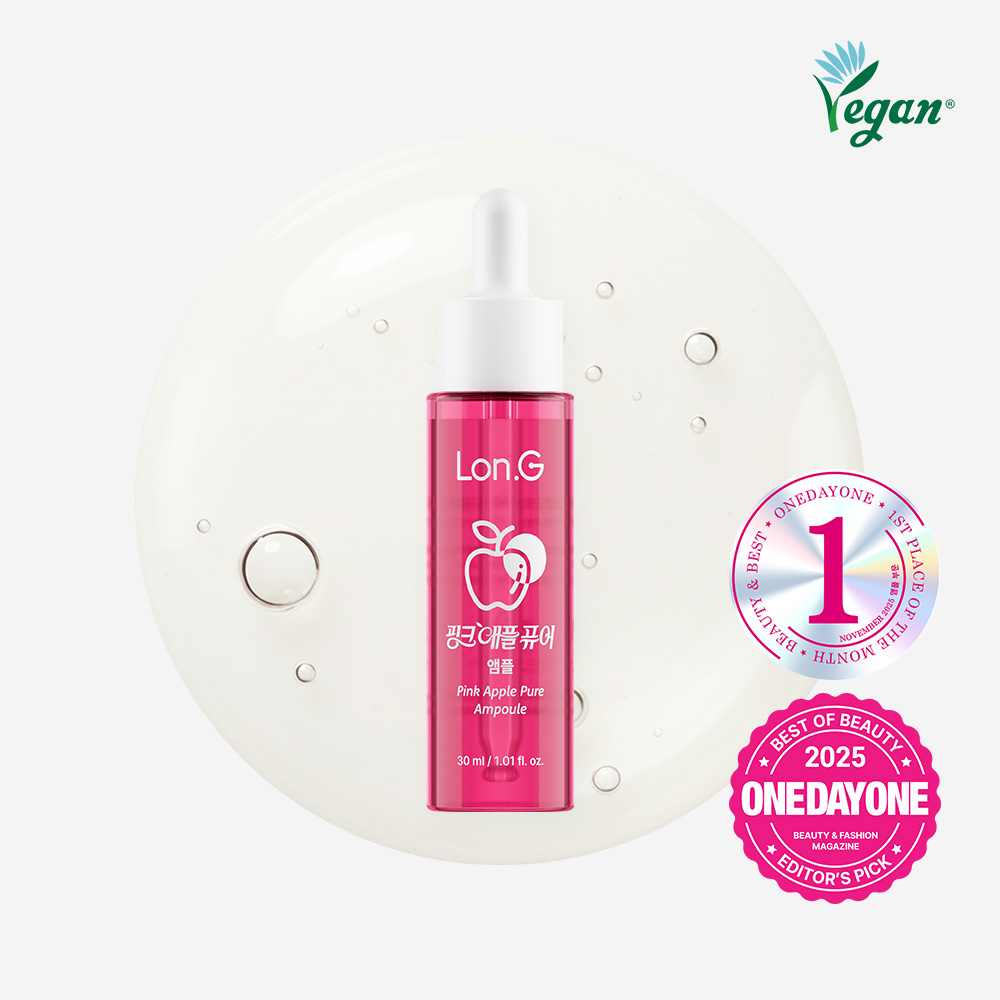
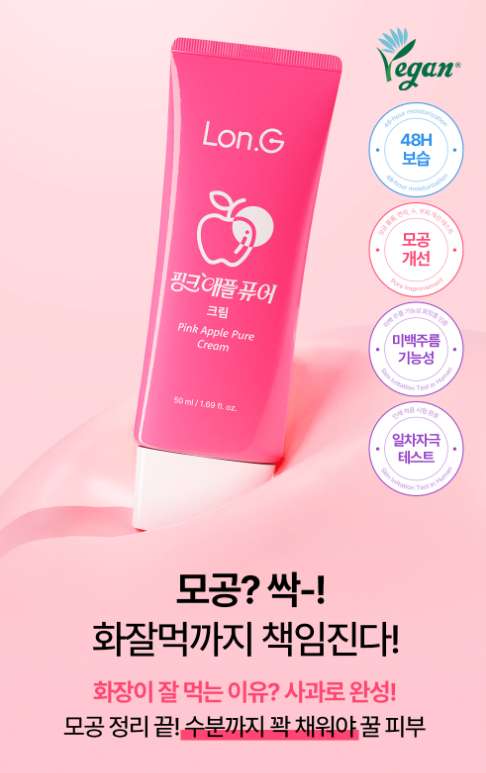
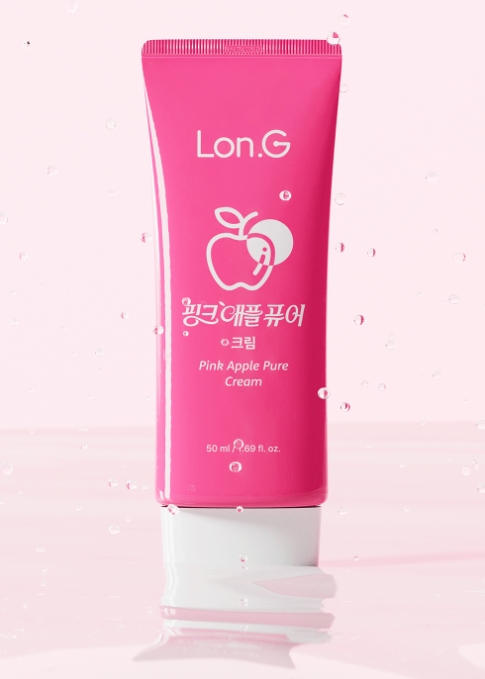
Lon.G Pink Apple Pure Cream is especially useful after blackhead extraction because it focuses on hydration, pore care, and skin comfort at the same time.
It features:
three pore-care ingredients that help with tightening, sebum care, and skin-clearing support
hydration support for up to 48 hours
a skin irritation score of 0.00
plant-derived collagen ingredients to support smoother-looking skin
green apple water for antioxidant care
Because it has a lightweight translucent gel-cream texture, it absorbs quickly after extraction without feeling heavy or irritating.
Clinical testing also showed 62.24% improvement in pore volume and 60.83% improvement in pore area, which makes it a strong option for skin that feels loose or rough after blackhead removal.
It also offers 48-hour hydration support, helping rebuild moisture around the pore area instead of letting the skin dry out and sag.
Right after extraction, the goal is to calm the skin and protect the pore area—not strip it further.
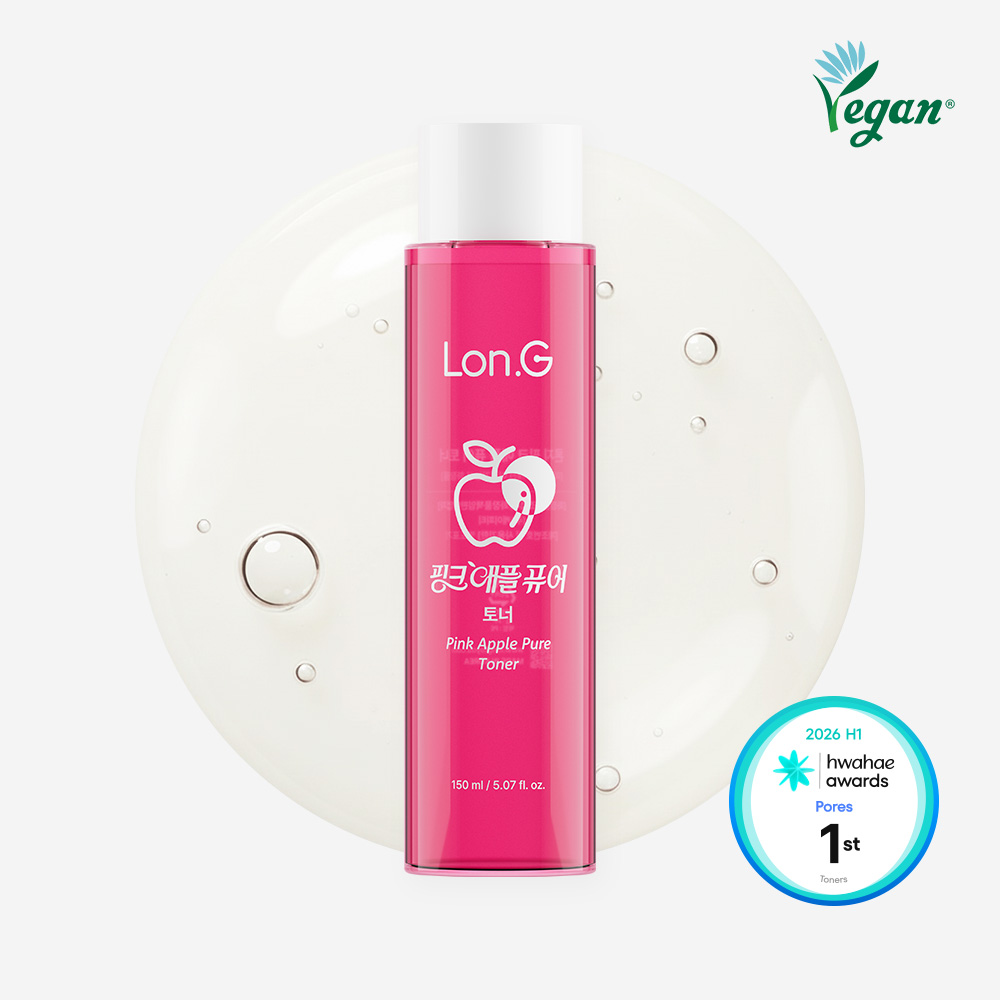
In the first 30 minutes, wash with cool water, smooth the skin with toner, and apply a generous layer of cream to help calm and hydrate the area.
Over the next 48 hours, focus on keeping the skin hydrated so the empty pores don’t dry out and look more stretched. This is where hydrating ingredients and barrier-supportive care become especially important.
To help reduce recurrence, it’s also useful to support oil balance and skin elasticity at the same time instead of only focusing on “cleaning out” the pores again.
The first 24 hours matter a lot. During this time, it’s best to avoid removing blackheads again, washing with hot water, or skipping moisturizer.
Instead, keep the routine simple, soothing, and hydration-focused.
If your pores look bigger after blackhead removal, the issue usually isn’t the blackhead itself—it’s the irritation, dehydration, and lack of recovery care that follow.
The key is not stronger extraction, but smarter aftercare.
With the right routine, you can help calm the skin, reduce the look of stretched pores, and keep blackheads from coming back as quickly.
✨ After blackhead removal, don’t just empty the pore—help the skin recover too.